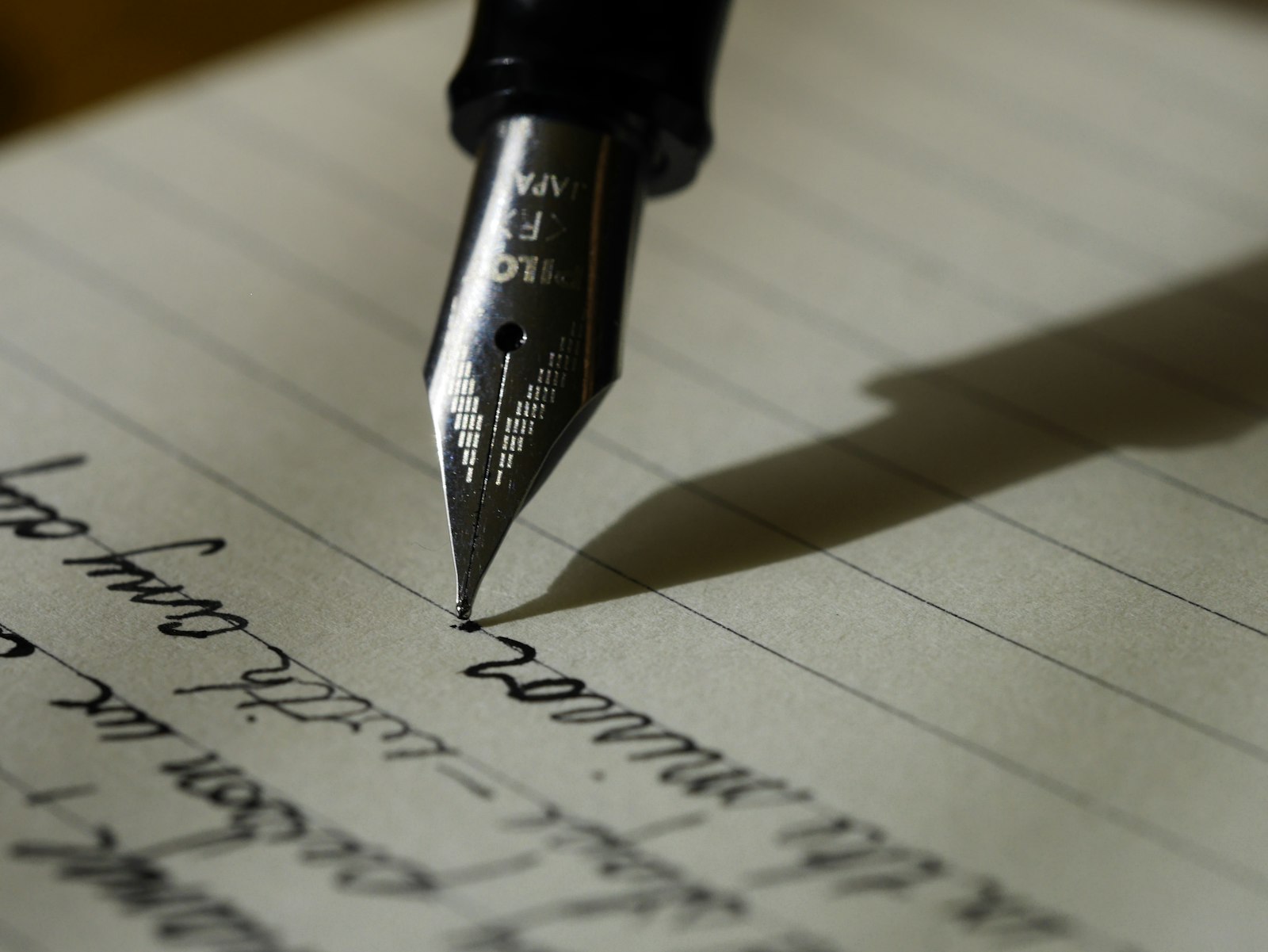
I started writing in the mornings almost by accident. The dog needed walking before sunrise, the kettle was already on, and the house was quiet in a way it never managed to be later in the day. I sat down with a notebook because there was nothing else to do, and I have been doing it more or less every day since.
It is not, I should say, a romantic practice. Most mornings I write a paragraph or two of something that will never be read. I write the same complaint three times in a row. I record the weather. I try to remember what someone said in a meeting the day before and discover I cannot. The page is mostly a place for me to find out what I am thinking, and what I am thinking is rarely interesting.
The point is the practice
And yet, year after year, the notebooks pile up. When I look back at the ones from a decade ago, I find sentences I would now consider whole essays in miniature — none of which I remember writing. The sentences would not exist if I had only sat down on the days when I had something to say.
This is, I think, the thing that gets missed when people describe writing as a craft. The craft sits on top of a habit, and the habit is mostly mundane. You show up. You write the dull paragraph. Occasionally a good one comes through, and you do not, in the moment, recognize it as good — it just feels like another paragraph. The judgment comes later, with distance.
On the small return
I do not believe in the romantic idea that writing is a calling. I believe in it as a small, returnable act, like making coffee or sweeping a floor. The trick is to keep the act small enough that you can return to it on a bad day. If your standard is write something brilliant, you will not write at all. If your standard is fill half a page, the half-page accumulates.
I think about this often when people ask how to start writing. The answer, I think, is the unsatisfying one: lower the bar until the bar is something you can step over without thinking. Then step over it tomorrow.